Engineering
Practical engineering guides for people building with modern AI: RAG systems, agent design, evaluations, prompt patterns, and ML infrastructure.

Vector Databases Grow Up
The vector database category spent its adolescence trying to be a standalone product. In 2026 it is quietly becoming a feature of every serious database — and that is a healthier outcome for the people actually building things.
More in this section

Fine-Tuning Versus RAG — A Practical Decision Framework
Teams keep asking whether to fine-tune or retrieve. The honest answer is that the question is malformed — most production systems need both, and the interesting choice is which parts to route where.

Guardrails and Structured Outputs in Production
Getting an LLM to return valid JSON is the easy part. Making it return valid, safe, on-schema output at scale is a systems problem that most teams underestimate.

Building RAG Systems That Do Not Hallucinate
Retrieval-augmented generation is presented as a hallucination fix. It is not, by default. Here is what actually works — and what does not — after four years of production experience.
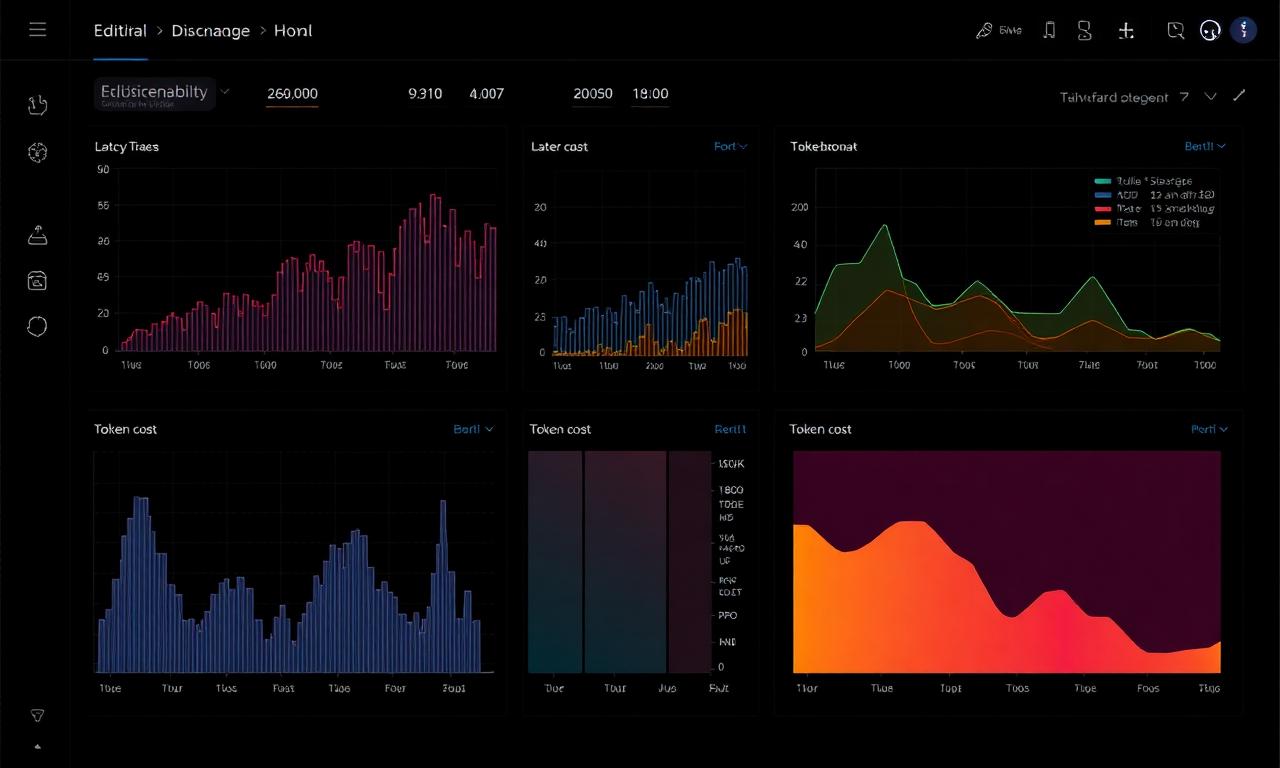
Observability for LLM Applications
The metrics that made traditional web services observable — latency, error rate, saturation — miss most of what goes wrong in an LLM application. A practical playbook for what to instrument instead.

Evaluating LLMs in Production: A Pragmatic Playbook
Public benchmarks tell you almost nothing about how a model will behave in your product. Here is how to build the evaluation infrastructure you actually need.

Prompt Engineering Is Still a Skill — Just Not the One You Think
The idea that prompting is a discipline was oversold. The idea that it does not matter is now oversold in the other direction. What actually matters in 2026 is closer to schema design than incantation.
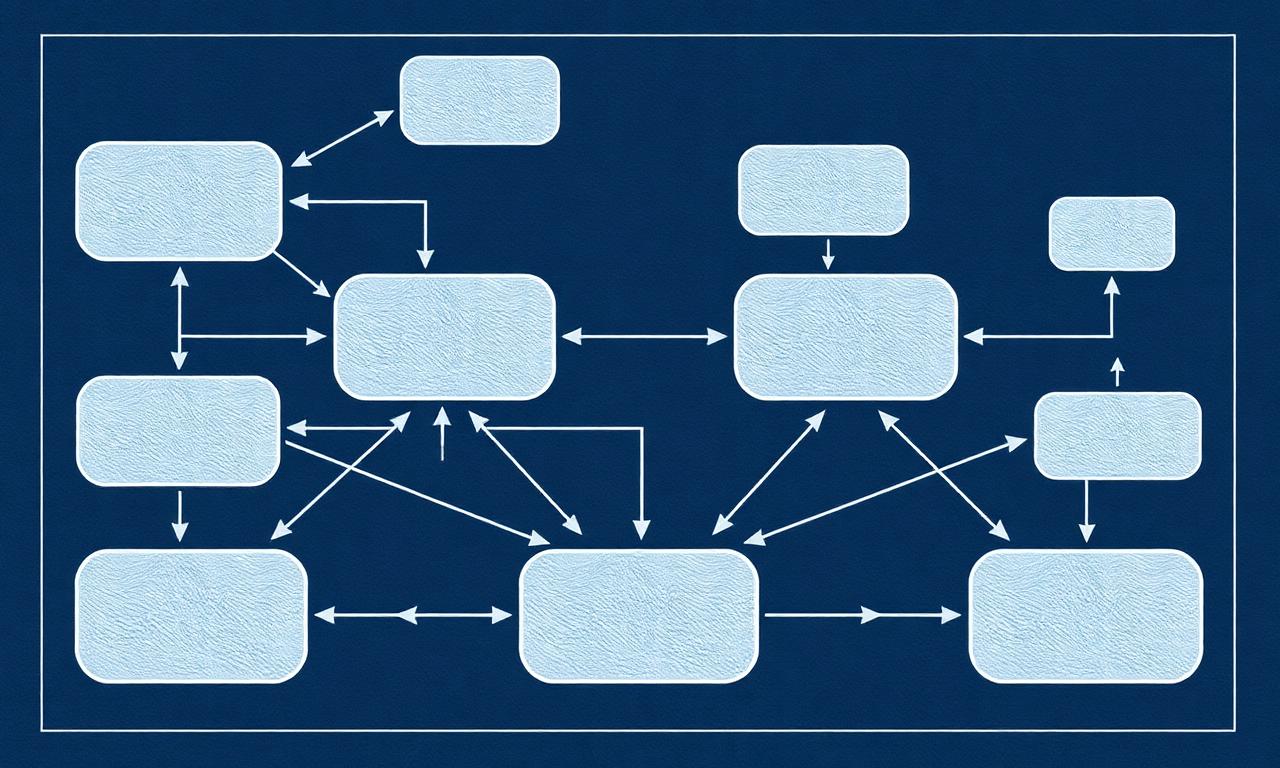
Agent Frameworks Are Converging — Here's What They Agree On
Two years ago every agent framework did things differently. In 2026 they have mostly settled on a small set of shared patterns worth learning even if you build your own.