Industry
The business of AI — funding rounds, acquisitions, org changes, GPU supply, and the strategic moves reshaping the industry each week.
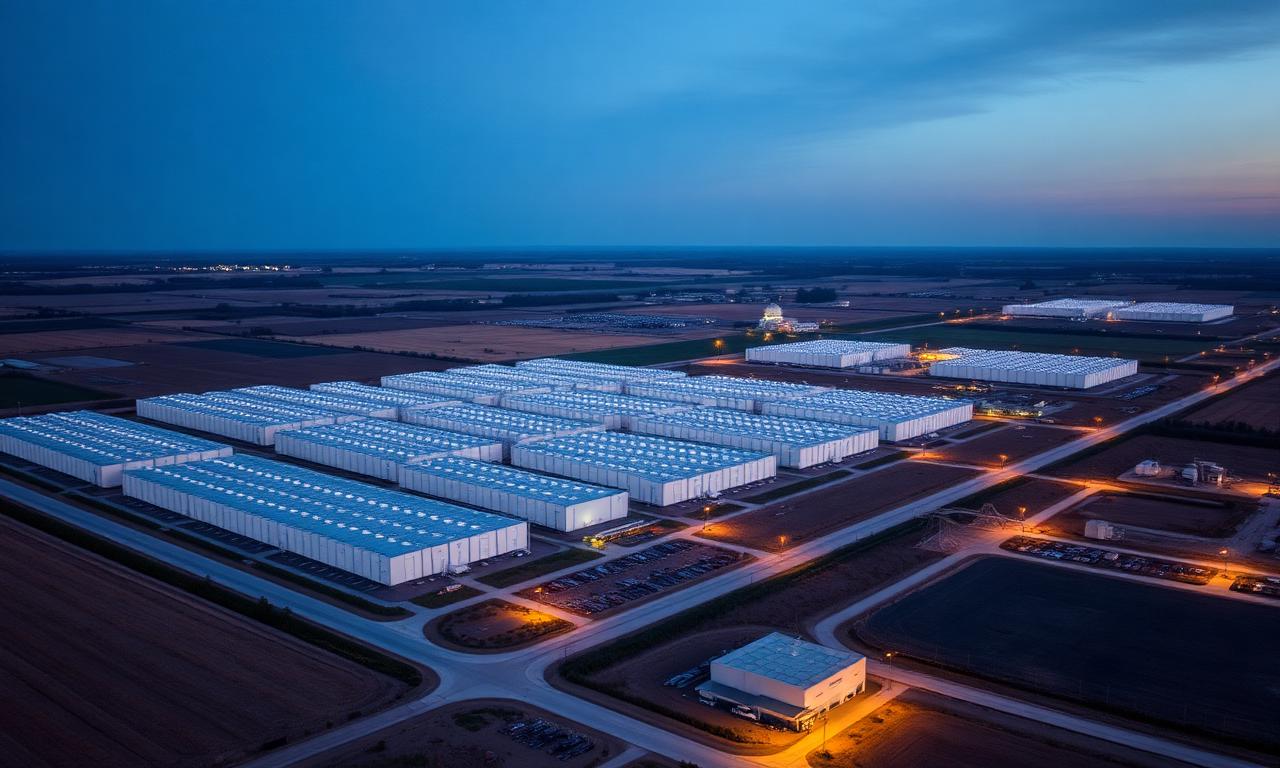
The Data Center Real Estate Boom Nobody Planned For
Rural counties that had never heard of hyperscale compute two years ago are approving multi-billion-dollar campuses. The land, water, and power arithmetic behind the rush.
More in this section

The New Compensation Bands Inside the AI Talent War
Total compensation for senior AI researchers has decoupled from the rest of tech. What is actually being priced — and who is paying.

GPU Supply Is Loosening — But Power Is the New Bottleneck
After two years of scarcity, top-tier GPUs are shipping on reasonable timelines again. The next constraint is measured in megawatts, and it is much harder to fix.

The Nvidia Challengers Finally Have Customers
For years, alternative AI accelerators were technology demos. In 2026 a handful of startups are shipping at meaningful scale — and the buyers are the hyperscalers themselves.

Sovereign AI Compute Becomes a Line Item
Governments used to talk about sovereign AI capacity. In 2026 they are buying it — and reshaping the demand curve for GPUs, data centers, and the energy that powers both.

The AI Acquisition Playbook Has Quietly Standardized
A pattern has emerged from the wave of AI deals in the last eighteen months. It is not quite an acquisition and not quite a hire. It has consequences for founders and regulators alike.

The Open-Weights Middle Class Is Growing Up
Open-weight models used to trail frontier systems by a wide margin. That gap has narrowed to a few months on many tasks — and the ecosystem around them is starting to look like an industry.

Why Enterprise AI Budgets Are Quietly Doubling
CFOs are approving line items they were skeptical of a year ago. The reason is not FOMO — it is that the first serious ROI stories have finally landed.