Policy & Society
How governments, workers, and communities are responding to AI — regulation, safety debates, labor impact, and the human questions behind the technology.
The EU AI Act In Practice, Eighteen Months In
The bloc's landmark law has moved from theoretical to operational. The lessons for teams building outside Europe are more direct than most realize.
More in this section

AI Watermarking Standards Are Finally Arriving
After years of voluntary commitments and incompatible schemes, a workable set of content-provenance standards is coming together. The question is whether adoption catches up before the political urgency passes.
AI and Elections — What 2026 Actually Showed
The predicted deepfake apocalypse did not arrive. The subtler AI influence on elections did — and the lessons for the next cycle are not the ones commentators expected.

Chip Export Controls Are Redrawing the Compute Map
Three years of tightening export rules have pushed the global AI compute map into shapes that policymakers did not fully anticipate — and that industry is still adjusting to.

The Labor Market Impact of AI Is Clearer Than the Headlines Suggest
Two years of empirical work has moved the conversation beyond speculation. The effects are real, uneven, and much more specific than either the optimists or pessimists predicted.

Children and AI Companions: The Policy Fight Nobody Was Ready For
Millions of teenagers are using AI companion apps daily. The regulatory framework designed for a world of static content has almost nothing to say about them.
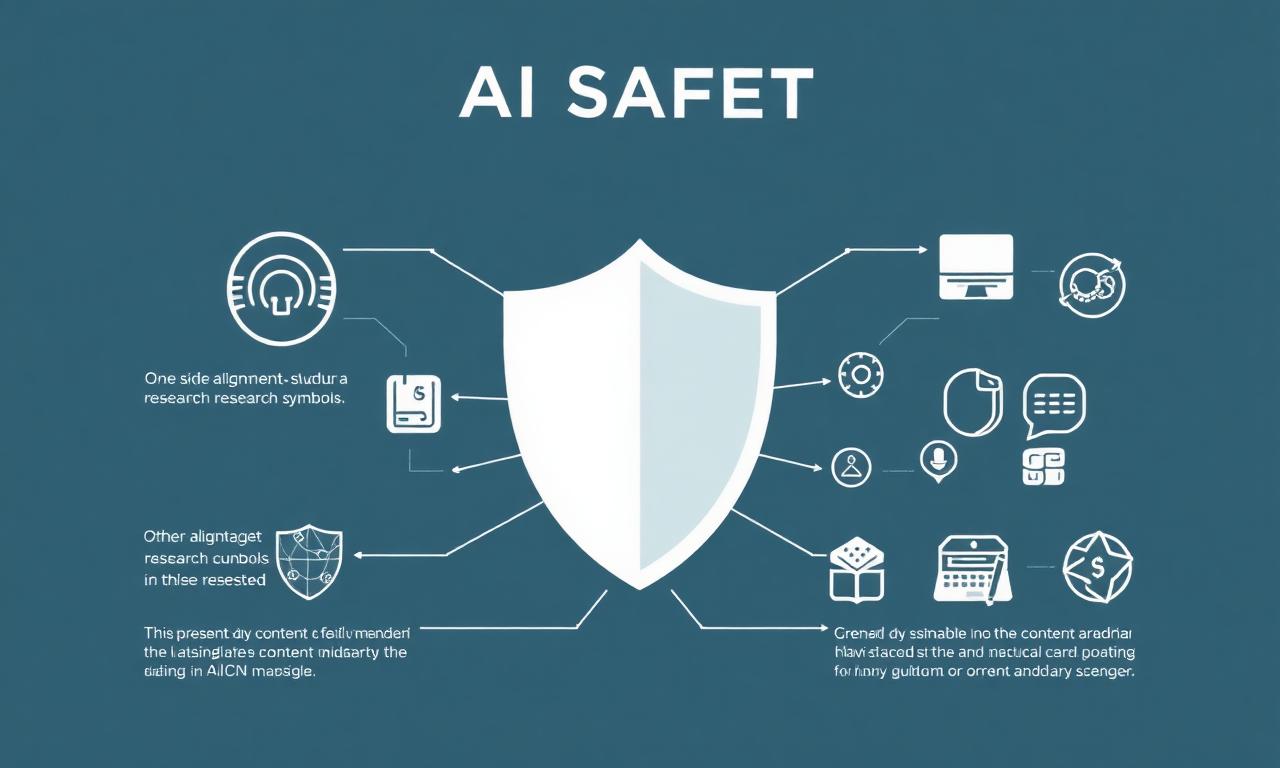
AI Safety Has Quietly Become Two Different Fields
The umbrella term hides a growing divide. The people worried about today's harms and the people worried about tomorrow's have less in common than they used to.
Copyright and Training Data Is Heading for a Reckoning
The lawsuits are stacking up. The settlements are getting larger. The industry's assumption that training on public data is unambiguously legal is looking increasingly precarious.