Product
Launches, reviews, and hands-on notes on the AI products people actually use — from consumer chatbots to enterprise copilots and creative tools.

Voice-First AI Is Quietly Eating the Chatbot
Users are talking to their AI assistants more and typing to them less. The product implications — for form factor, latency budgets, and interface design — are only starting to sink in.
More in this section

Enterprise Search Finally Got Good
After twenty years of underwhelming rollouts, internal search inside large organizations is quietly becoming useful — driven less by better ranking and more by a shift in what search is expected to do.

AI Wearables After the First Wave of Flops
The first generation of standalone AI wearables underperformed expectations. The next wave is quieter, more focused, and — perhaps — actually useful.

The Quiet Rise of Agentic Browsers
A new category of browser is emerging where the address bar is a task box. Early versions are rough, but the interaction model may be more important than any single product.

AI in Medical Imaging Crosses the Boring Threshold
For years, radiology AI generated flashy demos and shaky deployment stories. In 2026 the field has become quietly mundane in the best possible sense — a signal that the technology has genuinely arrived.

Hands-On With the New Generation of Coding Copilots
The gap between the best and worst coding assistants has widened dramatically. After a month of daily use across production codebases, three things surprised us.
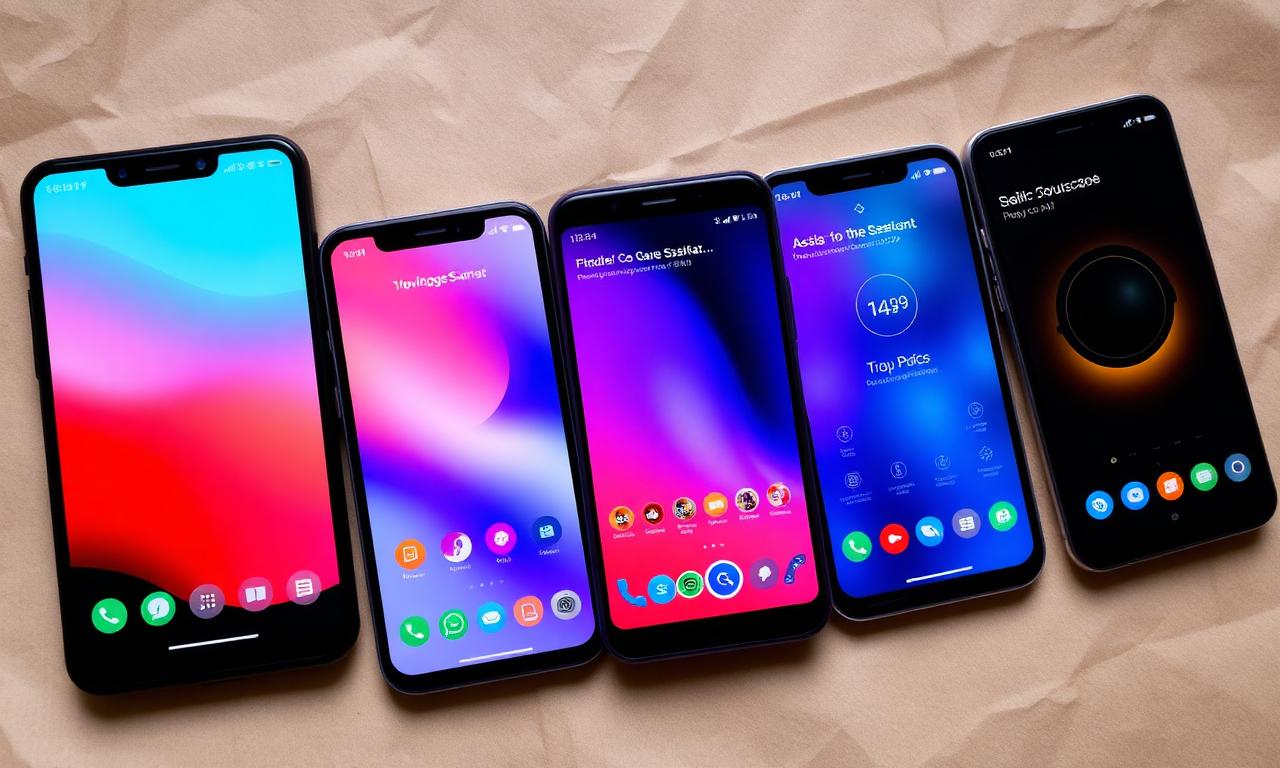
Consumer AI Is Finally Differentiating
For two years every consumer AI app looked like a chat box. In 2026 the category is starting to split into recognizably distinct products with different personalities and use cases.

Creative Tools Are Past the Novelty Phase
Image, audio, and video generation stopped being party tricks somewhere in the last twelve months. Professional workflows have absorbed them faster and quieter than the discourse suggests.