AI Research
Reporting and analysis on frontier AI research: new architectures, benchmark results, alignment work, and the labs pushing the state of the art forward.
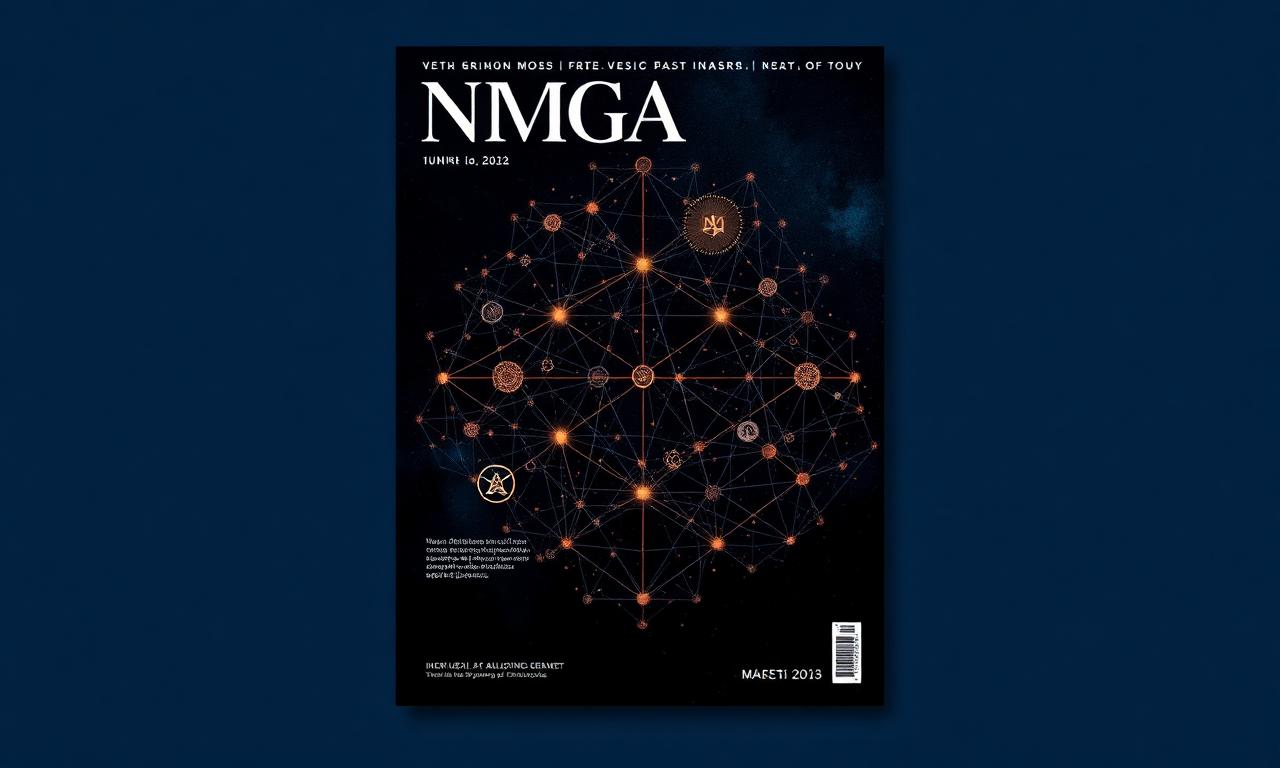
The Quiet Return of Neurosymbolic AI
After a decade in the shadow of pure deep learning, symbolic reasoning is being welded back onto neural systems — not as a rival paradigm, but as scaffolding for reliability.
More in this section

World Models Are the Next Frontier of AI Research
Learned simulators of physical and social environments are becoming the substrate that reasoning, robotics, and planning increasingly depend on — and the labs that own the best world models may own the next decade.
Diffusion Models Come for Text
For years diffusion belonged to images, video, and audio. A new wave of research suggests the same denoising machinery may soon reshape how large language models generate text.

Sparse Attention Quietly Rewrites the Transformer
For most of the transformer era, dense attention was treated as a load-bearing wall. A new wave of sparse and structured-attention variants is quietly showing that the wall was decorative.

Scaling Laws Are Not Dead — They Are Changing Shape
Rumors of diminishing returns from bigger models miss what is actually happening: the axes of scaling are shifting from parameters toward data quality, test-time compute, and multi-agent orchestration.

Why Reasoning Benchmarks Keep Getting Saturated
Every year a new suite of hard reasoning benchmarks lands, and every year a model clears them within months. What that pattern is really telling us about progress.

Long Context Is Not the Same as Long Memory
A million-token context window sounds like unlimited memory. In practice, attention degrades, retrieval fails, and the illusion of memory quietly costs you accuracy.

The Quiet Return of Mixture of Experts
Mixture-of-experts models were an academic curiosity a decade ago. They now underpin most frontier systems — for reasons that have as much to do with GPUs as with intelligence.