The 2024–25 wave of ambitious standalone AI wearables — pendants, pins, and companion devices designed to replace the smartphone — ended in a chorus of returns and one high-profile shutdown. The autopsy has been public. What is less discussed is the second, quieter wave that has begun shipping in 2026.
What the first wave got wrong
The founding pitch — a phone-free future powered by ambient AI — asked too much of both the model and the user. Latency was uncomfortable, battery life was punitive, and the user was expected to invent new gestures for interactions the smartphone already handled well.
The devices also collided with the fact that the phone is not just a computer; it is the license, the payment card, the identity token, and the camera the user already trusts. Displacing all of that at once was never realistic.
The second wave: narrower and calmer
The 2026 wearables that are finding real users share a different posture. They accept the phone as the anchor and offer one or two capabilities the phone cannot deliver as gracefully: hands-free capture during a specific activity, always-on hearing enhancement, discreet real-time translation, or continuous health inference.
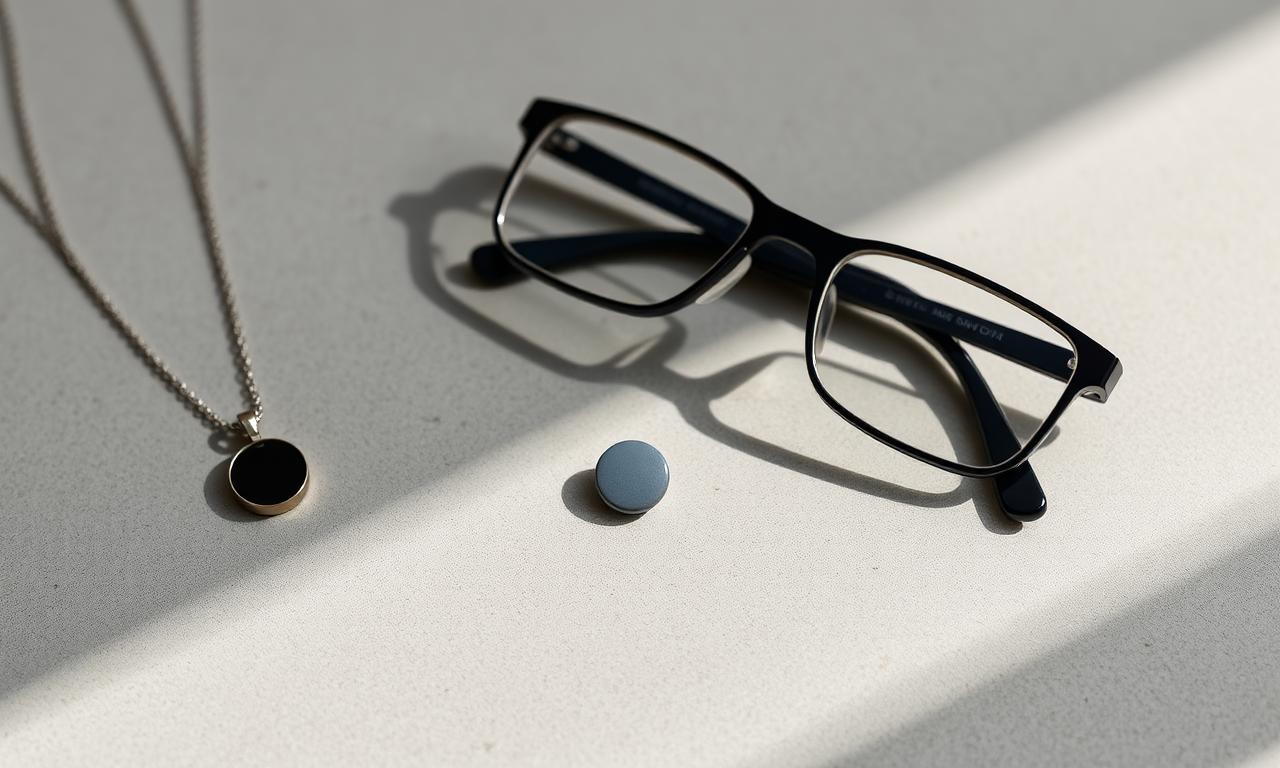
The industrial design has also matured. The first wave looked like miniature science fiction; the second looks like jewelry, hearing aids, or eyewear that a normal person would wear all day.
- Voice-first interaction is dominant, but the models are smaller, more specialized, and run partially on-device.
- Battery life targets have shifted from 'a full day of continuous inference' to 'reliable in the moment it is needed.'
- The pricing has decoupled from the smartphone anchor: recurring subscription rather than premium hardware markup.
The privacy conversation matures
The first wave triggered obvious concerns about always-on capture; the second wave has taken those seriously. On-device processing, capture indicators, and transparent data-retention defaults are now table stakes for any device with a microphone on the collar of a stranger.
The devices that are shipping with credible privacy stories are, unsurprisingly, the ones adopted by the professionals — doctors, journalists, translators — who would otherwise be the harshest early critics.
“The first AI wearables asked users to replace the phone. The second wave is content to be the accessory the phone should always have had.”
What still needs to work
Even the successful devices are one hardware generation away from mass adoption. Battery chemistry, thermal envelopes, and radio efficiency all need incremental gains. The software side is easier: on-device foundation models small enough to run on wearable-class silicon are arriving faster than the hardware to host them.
Key Topics
Extended Knowledge
- The category most likely to find durable product-market fit is hearing enhancement, which combines an established use case with new AI-native capabilities.
- Wearable-class silicon is a distinct hardware category from smartphone SoCs and is developing its own supply chain.
- Regulatory scrutiny of always-on capture devices is uneven across jurisdictions and will shape the eventual global product lineups.
Frequently Asked
As accessories to the phone, yes. As phone replacements, not in this generation and probably not the next.
Hearing enhancement, discreet translation, and hands-free capture in specific professional workflows are the strongest current wins.
Prefer devices with on-device processing, visible capture indicators, and default-off cloud upload. Treat vendor claims skeptically until independent audits appear.