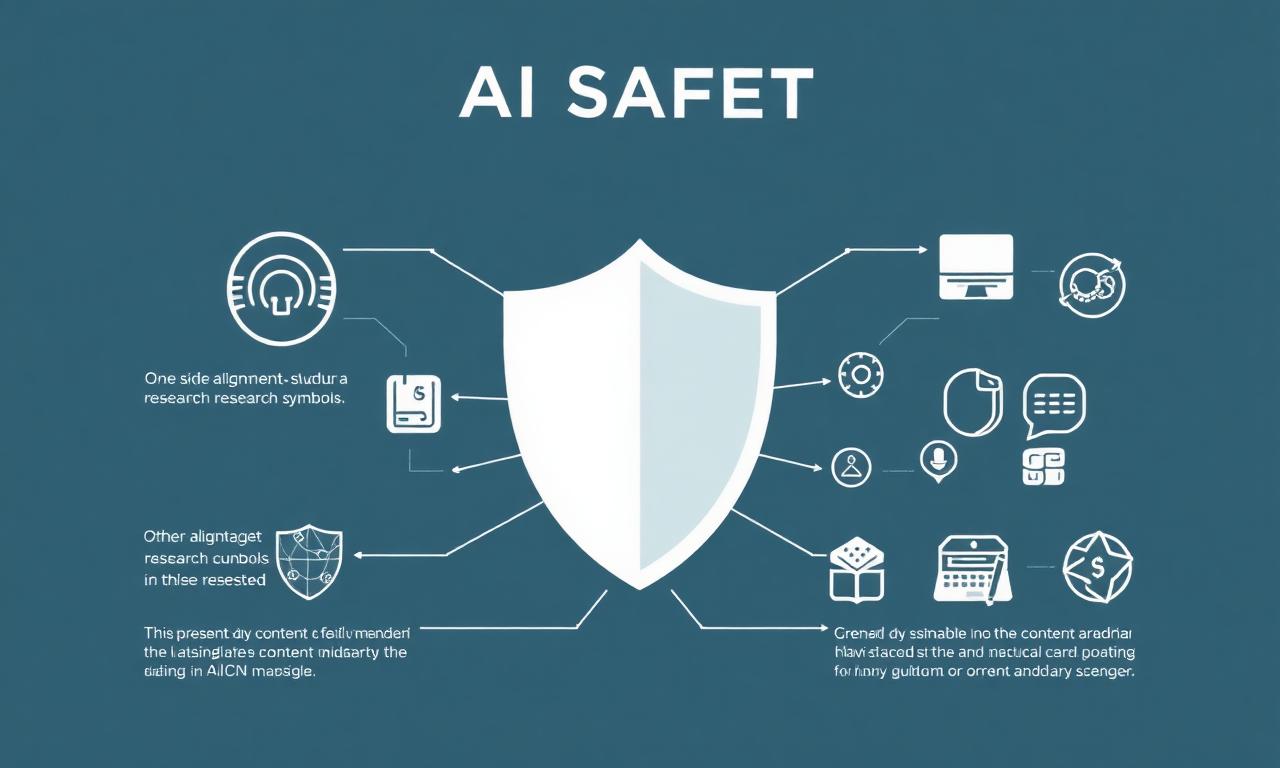
AI safety once described a small, technical community concerned with hypothetical future risks. It now describes a much larger population with sharply different concerns.
The two communities
Present-harms safety focuses on the ways AI systems are already affecting people: biased outputs, misinformation, privacy violations, labor impact, environmental cost, misuse in fraud or harassment. The concerns are concrete, measurable, and enforceable through existing legal frameworks.
Long-horizon safety focuses on hypothetical future risks from more capable systems: loss of control, misalignment, catastrophic misuse. The concerns are speculative in the strict sense — they have not occurred — but the community argues that preparing for them requires acting before they do.
Why the split matters
For a while, the two communities coexisted awkwardly under a shared banner. That coexistence has frayed. Present-harms researchers argue that long-horizon focus draws attention away from real ongoing harm. Long-horizon researchers argue that present-harms work does not prepare for the risks that could dwarf everything happening now. Both critiques have force.
The regulatory debate reflects the split. Different policy proposals prioritize different risks, and coalitions form and dissolve as specific bills advance. The result is a policy landscape more fragmented than either community would prefer.
- Present-harms work has produced most of the concrete regulatory progress to date.
- Long-horizon work has driven the largest research investments at frontier labs.
- Public debate frequently confuses the two, producing incoherent policy proposals.
Where the fields still overlap
Interpretability research serves both communities: understanding what a model is doing internally helps address bias and misuse today and could plausibly matter more for future capability. Evaluations that measure both current harms and capability trajectories are similarly dual-purpose. The technical work with cross-cutting benefit is where the most productive collaboration remains.
“Safety is not one field. It is a coalition of communities that increasingly disagree about which problem is most urgent.”
What to expect
The most likely near-term development is greater formal separation. Different institutions, different funding streams, different regulatory frameworks. Whether that increases or decreases overall progress depends on whether the resulting specialization outweighs the loss of shared vocabulary.
Key Topics
Extended Knowledge
- Interpretability research is one of the few areas where present-harms and long-horizon safety substantially align.
- Regulatory debates increasingly track which safety community's framing is being adopted.
- Public discourse frequently confuses the two, complicating policy formation.
Frequently Asked
It depends on which concerns. Present-harms concerns are well documented. Long-horizon concerns are contested. Treating them as a single question produces bad answers.
Work that addresses concrete current harms tends to produce the clearest short-term impact. Long-horizon work is a longer-duration bet.
Some more than others. Public commitments vary in specificity and follow-through. Independent evaluations are becoming a more common check on lab claims.