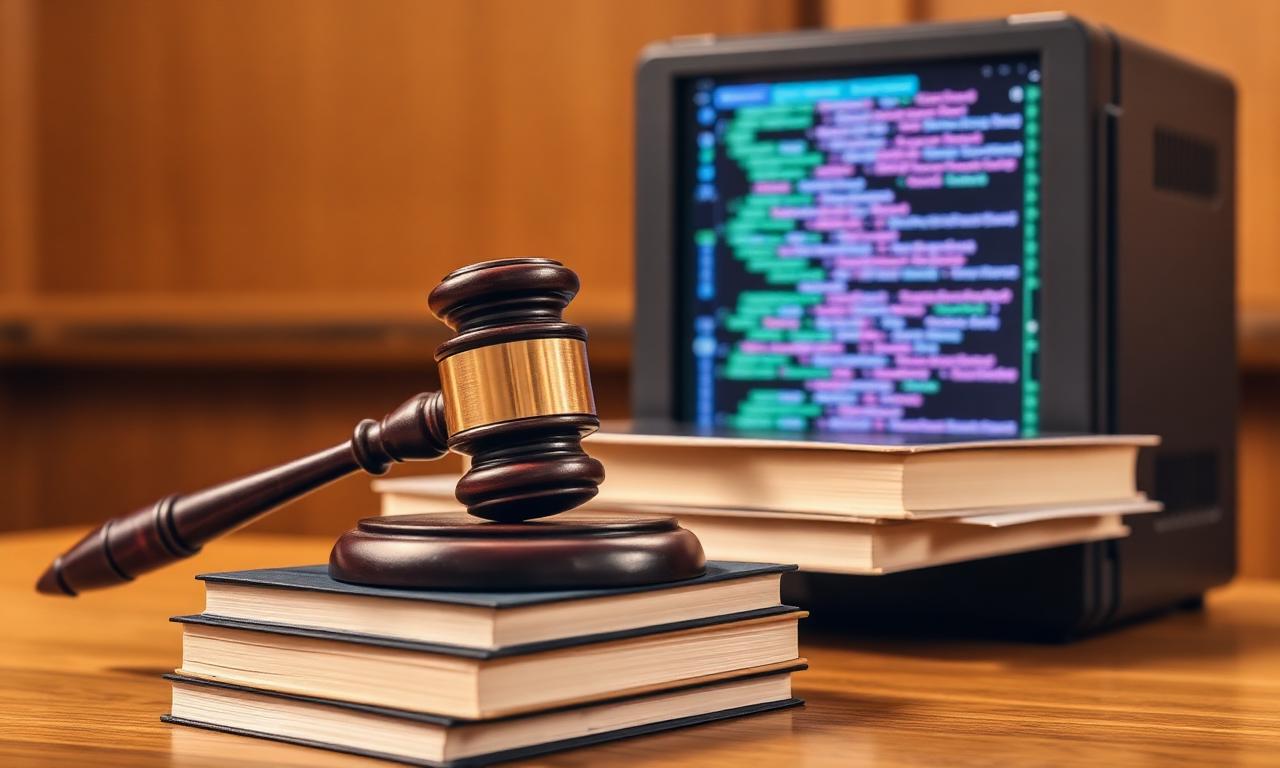
For years, AI labs relied on a mix of fair-use arguments and quiet confidence that regulators would not impose retrospective liability. That posture is now under active legal test in multiple jurisdictions.
Where the cases are
Multiple significant copyright cases against major labs are in advanced stages in US and European courts. Some have settled quietly. Others are proceeding to trial. Settlement amounts in the largest cases now run into the hundreds of millions of dollars, and the industry is beginning to price the risk into its financial planning.
Publishers, image agencies, music labels, and now individual creators are pursuing claims. Each category tests a slightly different legal theory. No single ruling will resolve the question, but the accumulation of case law is shaping industry practice.
The emerging licensing market
In parallel with the litigation, a licensing market has developed. Major labs now sign multi-year data agreements with news publishers, academic databases, and stock image providers. The economic structure is beginning to resemble music licensing: bulk agreements between rights holders and platforms, with detailed accounting for use.
- Multi-year publisher licensing deals now cover a substantial share of the news industry's frontier-lab exposure.
- Image and video licensing markets are consolidating around a few large aggregators.
- Individual creator compensation remains largely unresolved.
Output-side liability
The harder legal question is not whether training on copyrighted material is fair use — it is what happens when a model reproduces recognizable elements of training data at generation time. Recent rulings suggest that the output is where liability is most likely to bite, even where training itself is protected. That framing puts pressure on lab-side output filtering rather than on training data selection.
“The next decade of AI regulation will not be won or lost on the fair-use debate. It will be won or lost on what happens when a model reproduces someone else's work.”
Practical implications
For teams building on hosted models, indemnification clauses in enterprise contracts have become a critical negotiation point. For teams training their own models, careful data-provenance tracking is now table stakes. For everyone, the trend is toward more, not less, legal specificity about what data was used, how, and with what permission.
Key Topics
Extended Knowledge
- Fair-use doctrine varies substantially across jurisdictions, complicating any single global training strategy.
- Output-side liability is emerging as the sharper legal question than training-side fair use.
- Enterprise contracts increasingly include indemnification provisions for downstream copyright exposure.
Frequently Asked
The answer is contested and jurisdiction-dependent. Courts are actively working through the question, and outcomes will vary by geography.
Hosted providers with strong indemnification provisions shift some exposure. Read the terms carefully — indemnification varies widely.
Institutional rights holders increasingly are, through licensing deals. Individual creators remain largely uncompensated, and that is the most active area of policy debate.