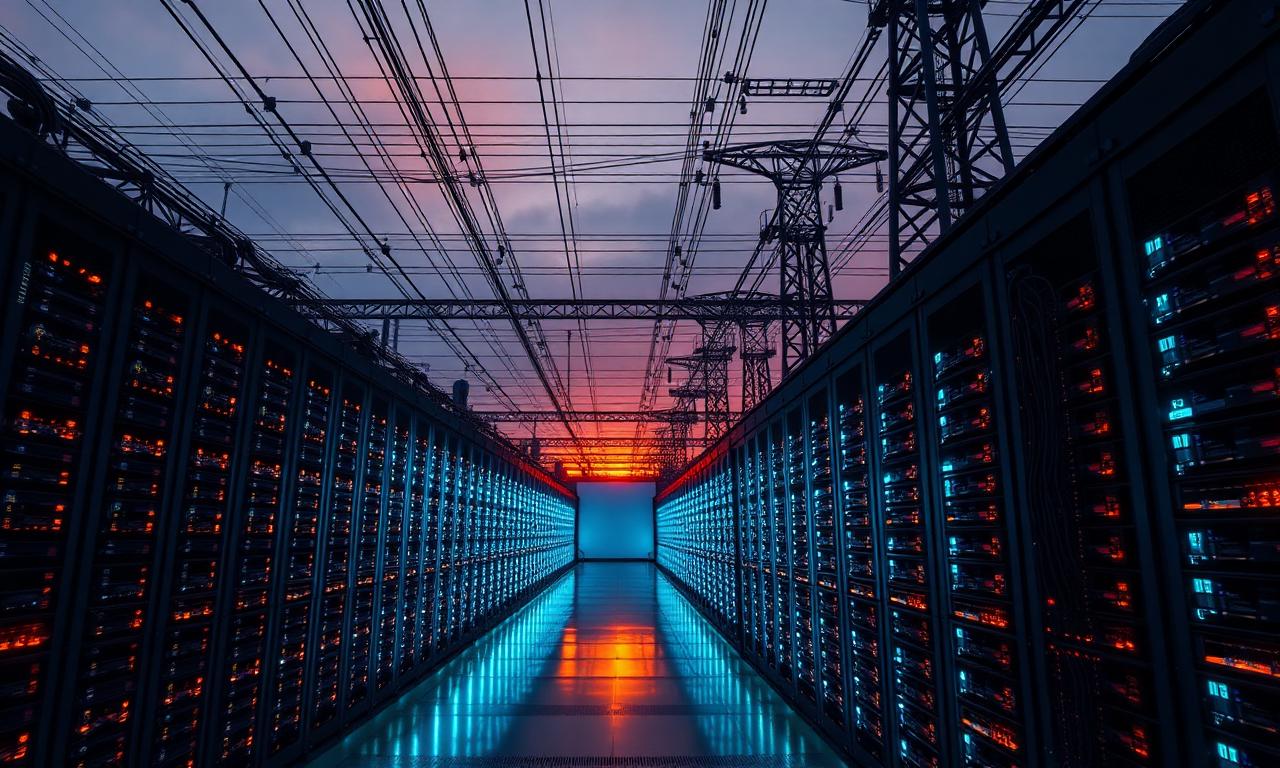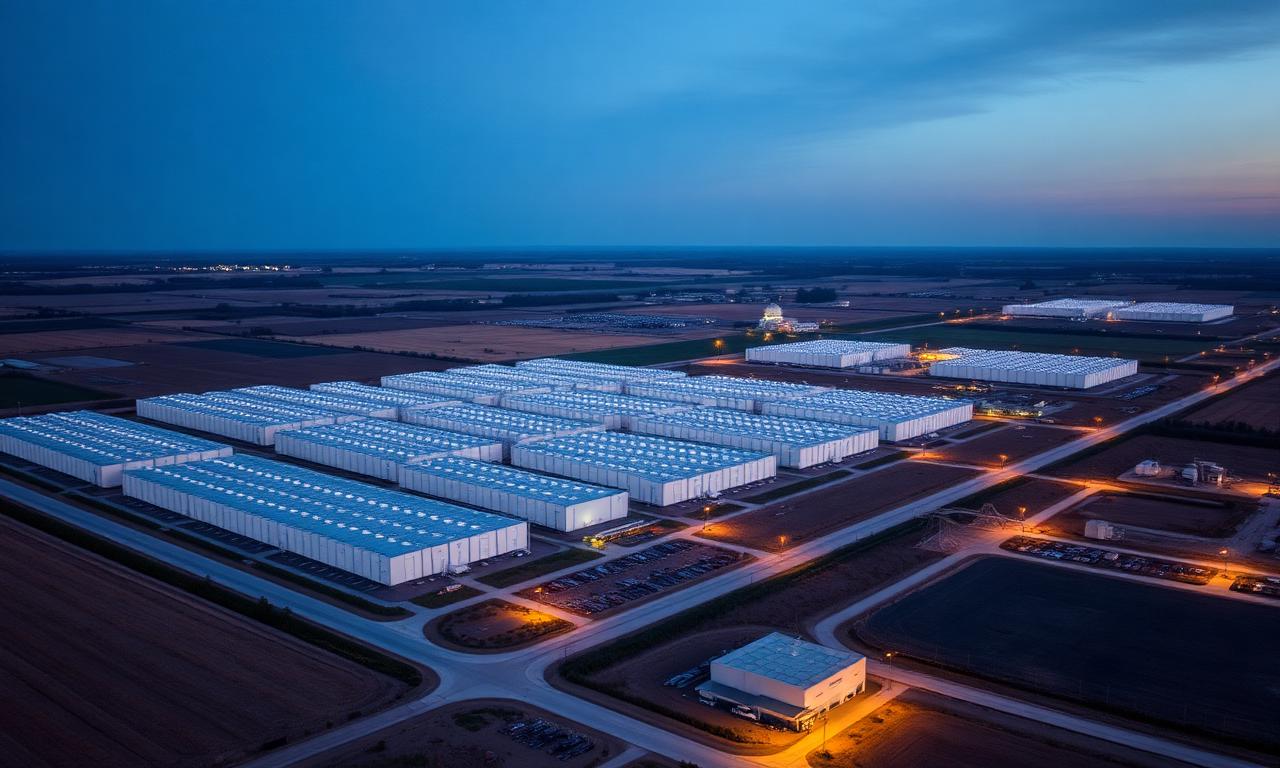
The dominant story of AI infrastructure in 2024 was GPUs. In 2026 the constraint has migrated one layer down: land near substations, water rights, and permitting timelines. The public conversation has followed, arriving in towns that have never negotiated an industrial deal of this scale.
Why the map is changing
The traditional data center corridors — Northern Virginia, Silicon Valley, Dublin, Singapore — cannot absorb the load they are being asked to host. Grid interconnection queues in Ashburn have slipped from two years to five or more. In response, hyperscalers and their financing partners are scouting counties whose main assets are cheap land next to high-voltage transmission and utilities willing to fast-track upgrades.
The economic geography that follows is unusual. A rural community of a few thousand people can suddenly host a two-billion-dollar capital project with a labor force smaller than the local school district. The tax base changes; the water table sometimes changes with it.
The three constraints that matter most
The first is grid access. A modern AI campus can draw hundreds of megawatts, comparable to a mid-sized city. Getting that capacity approved and physically delivered often takes longer than building the campus itself.
The second is water. Evaporative cooling is dominant because it is cheap, but it is also visible: local water utilities have become vocal participants in siting decisions.
The third is community consent. The generic 'jobs and tax revenue' pitch works less often than it did. Communities are asking harder questions about noise, water, decommissioning, and who benefits.
- Interconnection queues in major U.S. grids now range from two to eight years.
- Water intensity varies by an order of magnitude across cooling architectures; the choice is now a public issue.
- Property tax abatements have become a flashpoint in local elections in several new hosting states.
What developers are doing differently
Some operators are moving to closed-loop and dry-cooling systems that reduce water draw by an order of magnitude at the cost of higher power per unit of compute. Others are colocating with new gas turbines or SMR proposals to avoid grid queues entirely. A handful are experimenting with campuses sited near stranded renewable capacity — solar and wind in regions where transmission is too weak to export the electrons.
The most sophisticated operators treat siting as a political project as much as a technical one. Community benefit agreements, workforce commitments, and long-horizon water pledges are becoming standard riders on the largest deals.
“The scarce resource is no longer the chip. It is the parcel of land that can drink the electricity fast enough to run the chip.”
The next constraint
As near-term sites fill, expect the pressure to shift again — this time to transmission. Building high-voltage lines across state and international borders is a decade-long process in most democracies, and the pipeline of announced projects assumes a build-out pace that has never happened. That mismatch, more than any GPU shortage, will shape the next phase of AI infrastructure.
Key Topics
Extended Knowledge
- The largest announced AI campuses individually exceed the power draw of many mid-sized cities.
- Community benefit agreements pioneered in wind and solar development are being adapted for AI data center siting.
- Transmission build-out timelines are the emerging structural constraint on the entire industry.
Frequently Asked
Because their grids are effectively full. New load simply cannot be interconnected within a timeframe that matches product roadmaps.
It depends on the deal. Well-negotiated agreements bring real tax revenue and skilled operations jobs; poorly negotiated ones lock in water and tax concessions with limited local upside.
Transmission. Even fully permitted campuses can idle if the lines to move their power do not arrive.