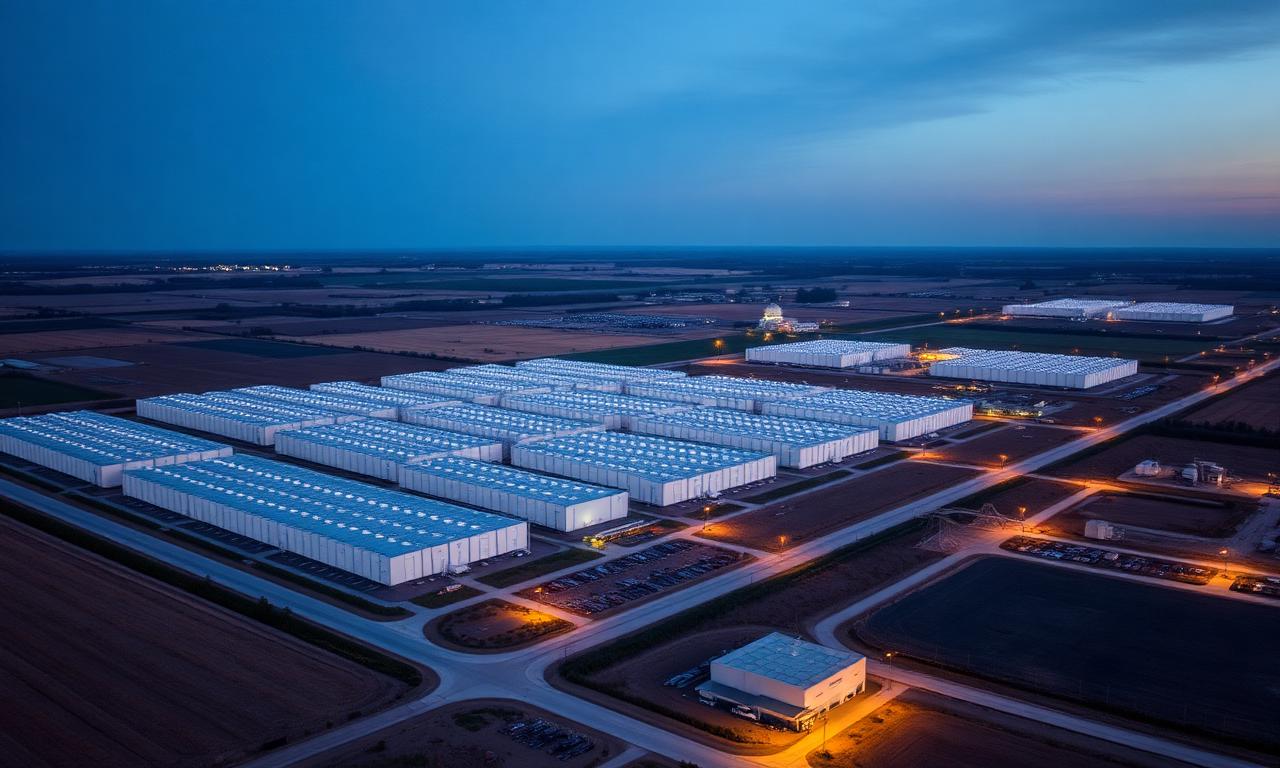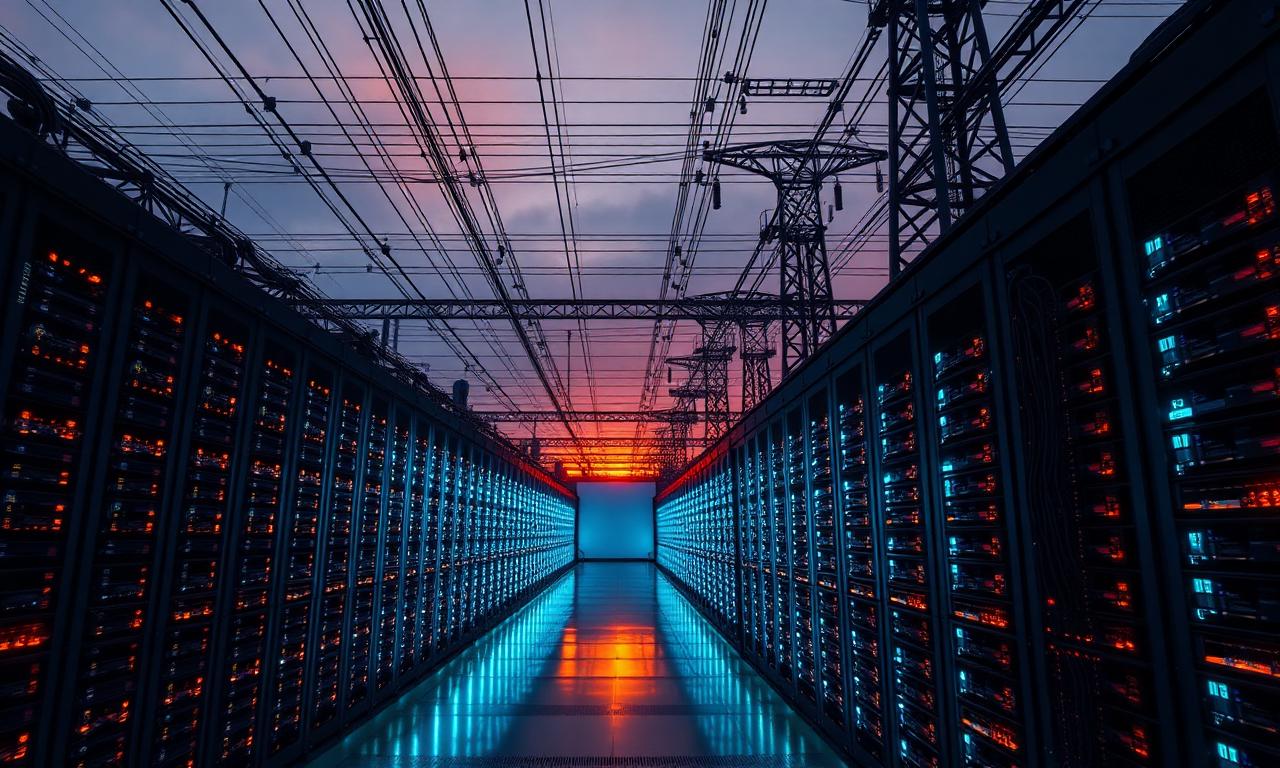
Hyperscalers spent 2023 and 2024 in an all-out scramble for accelerators. Lead times have finally normalized in 2026. The center of the industry's supply anxiety has shifted from silicon to substations.
The GPU picture, cleaned up
Two things happened at once. Manufacturing capacity for advanced packaging expanded meaningfully, and a wider range of accelerators became credible substitutes for the top-tier NVIDIA parts on many workloads. That combination has broken the auction dynamic that defined 2023.
Prices have not collapsed — the market is still tight — but shipments are predictable enough that startups can plan a launch without months of GPU roulette. That predictability is a bigger deal for the ecosystem than any single hardware release.
Where power became the story
A modern AI training cluster draws tens of megawatts. A large inference deployment draws tens more. Grid interconnection queues in the United States now run five to seven years in key regions. Utilities are being asked to plan for load growth larger than anything they have modeled in a generation.
The response has taken every possible form. Hyperscalers are signing long-term contracts with nuclear operators, restarting decommissioned reactors, and funding new geothermal and small modular projects. Site selection has shifted toward places with existing generation surplus — the northern Great Plains, parts of Scandinavia, the Gulf coast.
- Peak US grid queue for large industrial interconnection: multi-year in most ISOs.
- New AI campuses being sited alongside dedicated generation, not near demand centers.
- Cooling and water rights are becoming secondary bottlenecks in southern and desert regions.
How this reshapes competition
The companies best positioned are those that locked in power a decade ago for other purposes or that can move faster than the regulated utility timeline. Sovereign AI initiatives in the Gulf states and Southeast Asia enjoy an unusual advantage: they can build generation and compute together as a single national project.
For startups, the practical implication is that cheap inference at scale will increasingly be a function of where you host, not who you host with. Expect regional pricing to fragment.
“The next unicorn constraint is not talent, capital, or chips. It is a grid connection your utility will honor.”
What to watch
Watch for the first fully off-grid AI campuses to come online. Watch for hyperscalers to disclose energy cost per token as a metric. Watch regulators for signs of pushback as residential rates absorb the cost of new transmission. And watch efficiency gains: every doubling of tokens-per-watt is worth a small nation's worth of new capacity.
Key Topics
Extended Knowledge
- Advanced packaging capacity — particularly CoWoS — was the specific bottleneck that dominated 2023–24 GPU pricing.
- PPA (power purchase agreement) deal flow between hyperscalers and nuclear operators has accelerated sharply in 2025–26.
- Efficiency improvements at the model and hardware level are compounding, but demand growth is faster still.
Frequently Asked
Top-tier parts are constrained but not rationed. Lead times have compressed from a year-plus to a few months at most tiers.
Adding generation and transmission requires permitting, environmental review, and physical construction on timelines set by grid regulators, not tech companies.
Indirectly. Inference pricing per token will vary more by region, and some markets will see slower rollout of the most compute-intensive features.